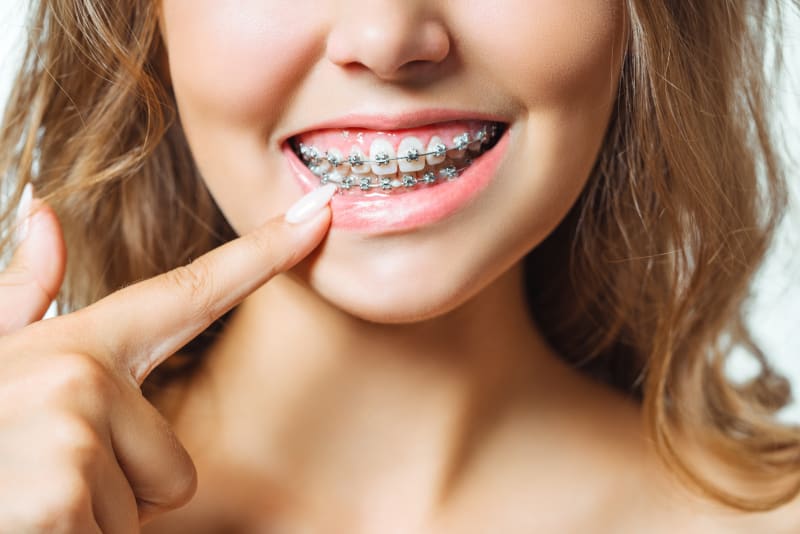
A Parent's Guide to Orthodontic Treatment
November 19, 2025
Considering orthodontic treatment for your child? Stepping into this new territory often brings questions, and it’s completely natural to feel unsure about what to expect. As a parent, your involvement plays a vital role in helping your child achieve the best results! Dr. McKinney and our team have been serving families in our community for over 23 years, providing trusted, compassionate orthodontic care. We love helping kids gain a confident, healthy smile—and we’re just as committed to supporting you every step of the way. Whether you’re exploring options or already preparing for treatment, we’re here to make the journey smooth, clear, and positive for your entire family.
What age is the “right” age?

At McKinney Orthodontics, we see patients from children to adults, so there can be many factors leading a new patient to a consultation. Children have a unique combination of teeth around age 7. Their 6-year molars are typically visible, along with a few other permanent teeth. After viewing an x-ray of the remaining adult teeth, Dr. McKinney can get a clear picture of their dental future. If all permanent teeth are erupting straight, with a direct path for each incoming tooth, early intervention is less likely to be needed. But sometimes this evaluation reveals a potential issue because teeth aren’t aligned with their “assigned spot.” At this age, Dr. McKinney will evaluate for early intervention in order to prevent more serious issues as the patient grows. This can take the form of milder and shorter treatments such as braces only on top or bottom, spacers, palatal expanders, or a combination.
Or maybe you have a teenager that needs braces to achieve a straight and confident smile? This is an optimal time for comprehensive orthodontic treatment! Most baby teeth are gone by age 12 and most adult teeth are in around age 13 (with the exception of wisdom teeth). Adolescents are growing rapidly, which allows the jawbone tissue to be less dense and more responsive to repositioning. This allows orthodontic treatment to be especially effective and efficient during the teen years.
Set the right mindset early!
Patients, no matter their age, can be a little nervous about orthodontic treatment such as braces. Will it be uncomfortable? Will I look different? What will my friends say? Will I get used to them? These are all common questions and as a parent, you have a great opportunity to help your child relax, before they ever set foot in our office! Discuss the benefits of addressing dental needs now rather than later in life, and reassure them that braces are a normal, routine part of childhood and teenage years. A straight, healthy smile not only gives a HUGE confidence boost, but it helps them have proper dental alignment, ultimately making teeth easier to clean!
We can also confidently say, yes, you do get used to braces pretty quickly!
The first consultation
Our goal is to make your initial exam a comfortable, helpful, and informative for you and your child!
- Dr. McKinney will review their dental records, discuss your concerns, and exam their teeth, jaw and bite. Please let your child know that they are welcome to ask questions and express any worries – we are happy to help!
- If Dr. McKinney recommends treatment, our new patient coordinators will review logistics with you as well. Estimated timeframe, scheduling, insurance coverage, financing options, patient communication and more will be explained before your child begins braces or any other treatment.
- If Dr. McKinney determines that your child may need treatment in the future, but more dental development is needed, we will schedule observation appointments every 6-12 months to monitor their progress. This allows Dr. McKinney to review alignment as teeth erupt and quickly catch any potential issues. These appointments are typically quick and free of charge!

Getting braces!
Whether your child gets braces on their first visit or down the road, our assistants are here to make the experience as comfortable and stress-free as possible. (Fun fact: every team member is also a parent, so we truly understand kids’ concerns!) Our orthodontic assistants take time to show your child the tools and parts of braces so they know exactly what to expect at each step. Dr. McKinney and our team will walk them through the process, explain what’s happening in kid-friendly terms, and check in often to make sure they feel at ease. While braces can feel different at first, the process of placing them is painless—and we’re right there to support your child the whole way.
Must-have List for Braces Care:
Hygiene Helpers
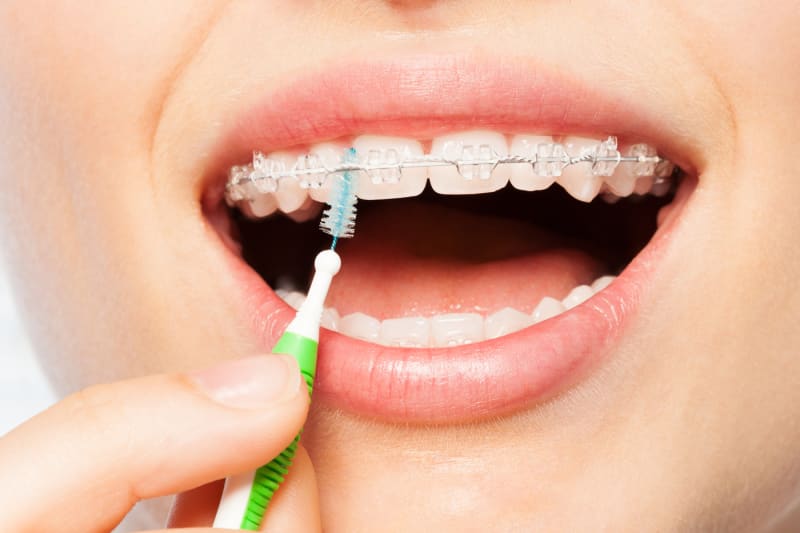
Braces are much easier to manage when you keep a few essential tools on hand. First and foremost, dental hygiene becomes even more important during orthodontic treatment. Our team will provide interproximal brushes and floss threaders to help your child clean around brackets and reach between teeth where plaque likes to hide. Many families also find water flossers incredibly convenient—they’re great for flushing out food particles from tight, hard-to-reach spaces. To further protect your child’s enamel, we recommend adding a fluoride mouthwash such as ACT to their routine. This extra step strengthens teeth and helps prevent decay while braces are in place. Having these simple supplies ready at home can make daily care quicker, easier, and far more effective.
Pain & Soreness Relief
Soreness around the teeth and gums is completely normal after braces are placed or adjusted, and it typically fades within a few days. Keeping over-the-counter pain relief on hand—such as Tylenol or Motrin—can make those first 48 hours much more comfortable for your child. It’s also common for brackets or wires to rub and create small sores or blisters inside the cheeks or lips. That’s where orthodontic wax comes in. We provide soft wax that can be rolled into a small ball and pressed over any spot that’s causing irritation, creating a smooth cushion while the area heals.
Ortho-Approved Foods
Keeping braces-friendly snacks in the house can make a huge difference in your child’s orthodontic journey. Having easy options on hand—like yogurt, soft fruits, cheese sticks, applesauce, smoothies, or bite-sized sandwiches—helps them avoid the temptation of crunchy or sticky foods that can damage brackets and wires. It also saves you from the daily “What can I eat?” question. By providing a few safe choices, you’re helping protect their appliance, reduce emergency visits, and keep their treatment on track. Plus, your child will feel supported and prepared with orthodontist-approved snacks ready to grab anytime.
Your household routines are the key to success!
Good dental hygiene is one of the biggest factors in achieving a great smile after orthodontic treatment. Most kids and teens need reminders to maintain clean teeth. Encourage your child to:
Brush twice a day, and always after eating sugary foods. Be sure to get above and below each bracket. Brushing while looking in the mirror is a great habit!
Floss at least once a day with a floss threader or water flosser.
Use fluoride mouthwash once a day.
If your child is wearing rubber bands, remind them to remove them for eating and replace immediately afterwards. This means carrying the small bags we provide to school, in the car, and anywhere they go! Remember, inconsistent wear often means longer treatment times!
We know these habits can take extra effort to develop, but they often provide a lifetime of healthy dental hygiene! You’re investing in their smile for years to come!
What’s normal and when to call us?
Tooth, jaw and gum soreness (especially after an adjustment) is normal but typically mild and manageable. But if your child has a broken bracket, poking wire or discomfort with swelling, give us a call. Emergency appointments are built into our schedule so that we can accommodate those immediate needs. Our front desk staff is amazing at patient support and determining when a quick repair is needed.

Celebrating milestones
Photos are your friend! Many of our patients notice progress soon after starting treatment. Watching a crooked tooth move into a better position can help kids and teens gain confidence in the process and realize that their effort will be worth it! Parents can also watch for those good hygiene habits and rubber band wear – when you see it, give a compliment! We will see your child every 2-8 weeks and check for cleanliness and proper progress. Accountability and encouragement make a big difference!

Partners in the Process!
We absolutely love “debond day” when your child’s braces are removed and they see their new smile for the first time. Their joy and confidence are contagious when they realize that their hard work really paid off! As a parent, you are a huge contributor to your child’s success, and we are here to answer your questions and support your family.
Our patients have access to our secure texting platform for convenient communication! You can call OR text us at (205) 345-5524 to reach our Tuscaloosa front desk. After hours is no problem! A team member will respond when we resume normal business hours.
Our main office location is in Tuscaloosa, but we also have locations in Fayette (behind Lisa’s BBQ) and Winfield (near Cotton Candy Boutique). We schedule office rotations to make maintenance appointments convenient for our out-of-town families! And patients can be seen in any office, regardless of their choice of “home” office. Our appointment scheduling is always flexible, so if you have an immediate need, just call us to schedule.
Ready to take the next step toward your child’s best smile?! Contact us today!